You’re slowing down for a traffic light in Vienna or taking an exit near Tysons, and your steering wheel begins to shake. Once you release the brake pedal, the vibration fades.
What’s causing it—and what should you do next?
A steering wheel that shakes during braking can point to uneven brake rotor surfaces, a sticking brake component, or wear in the steering and suspension.
The symptom is a reason to schedule an inspection, but it doesn’t tell you which part needs replacing.
What causes the shaking?
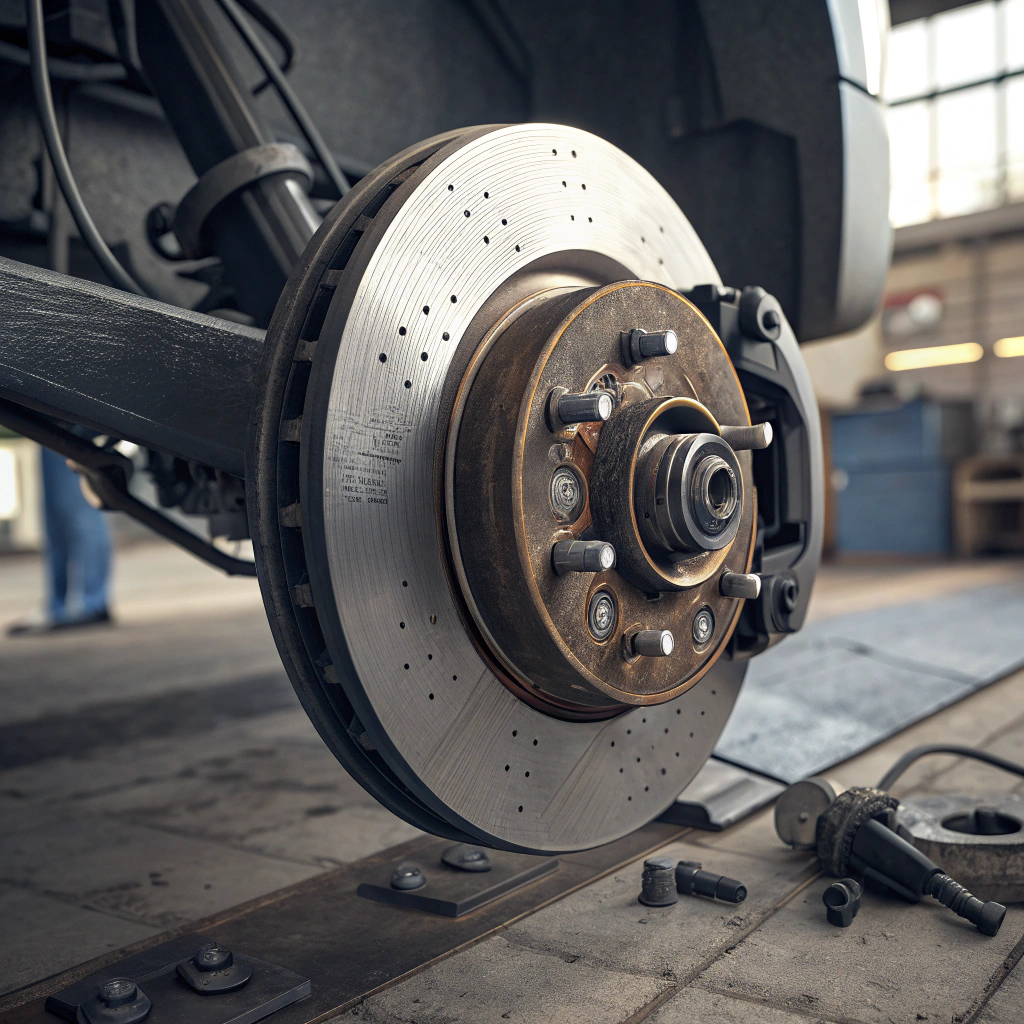
Your brake pads press against rotating metal discs, called rotors, to slow your vehicle. When braking force varies as a rotor turns, you may feel a rhythmic vibration through the steering wheel or brake pedal.
People often call this “warped rotors,” but that description doesn’t explain every case. Small differences in rotor thickness or uneven deposits of brake pad material can contribute to brake vibration. Measuring the rotors helps identify the actual problem.
Other possible contributors include:
- Brake calipers or slides that don’t move freely.
These can cause uneven wear and excess heat.
- Rust or debris between the rotor and wheel hub.
This can prevent the rotor from sitting correctly.
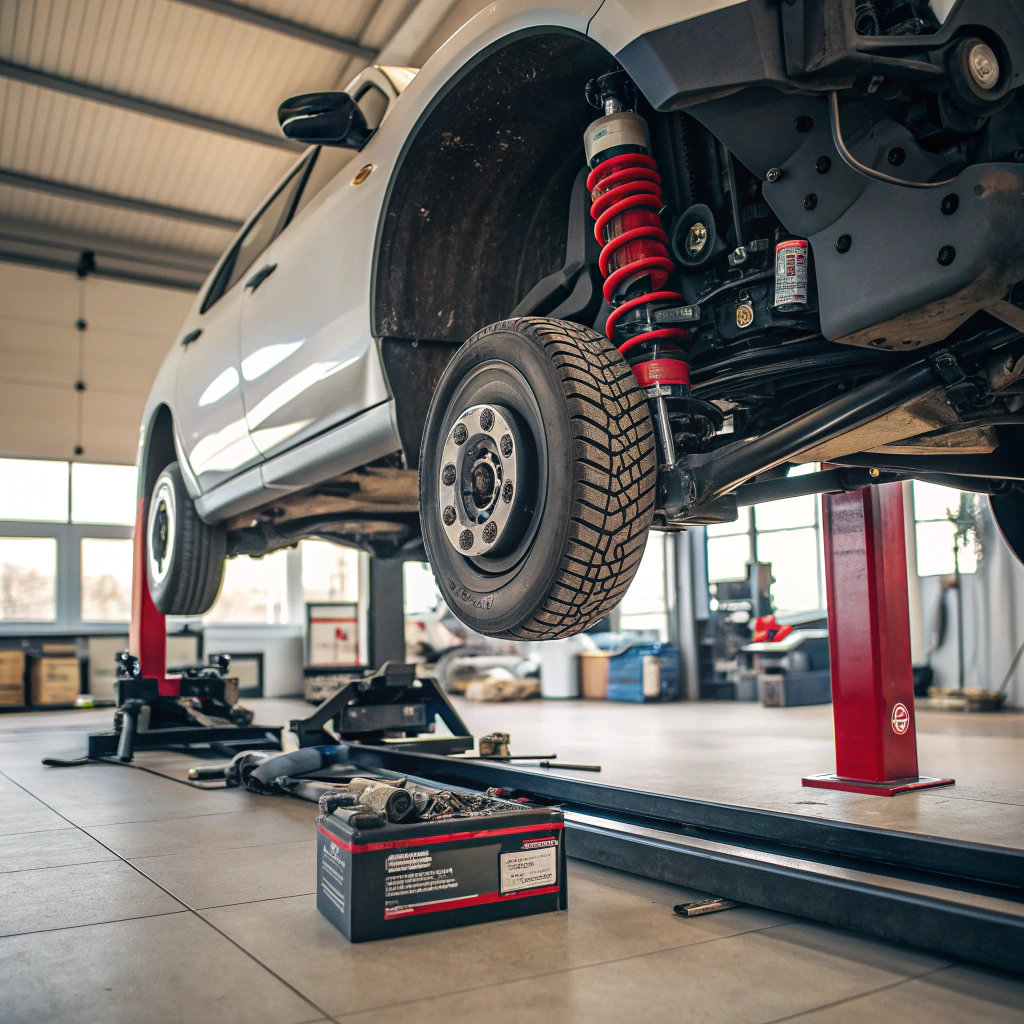
- Worn steering or suspension components.
Excessive movement can contribute to shaking under braking.
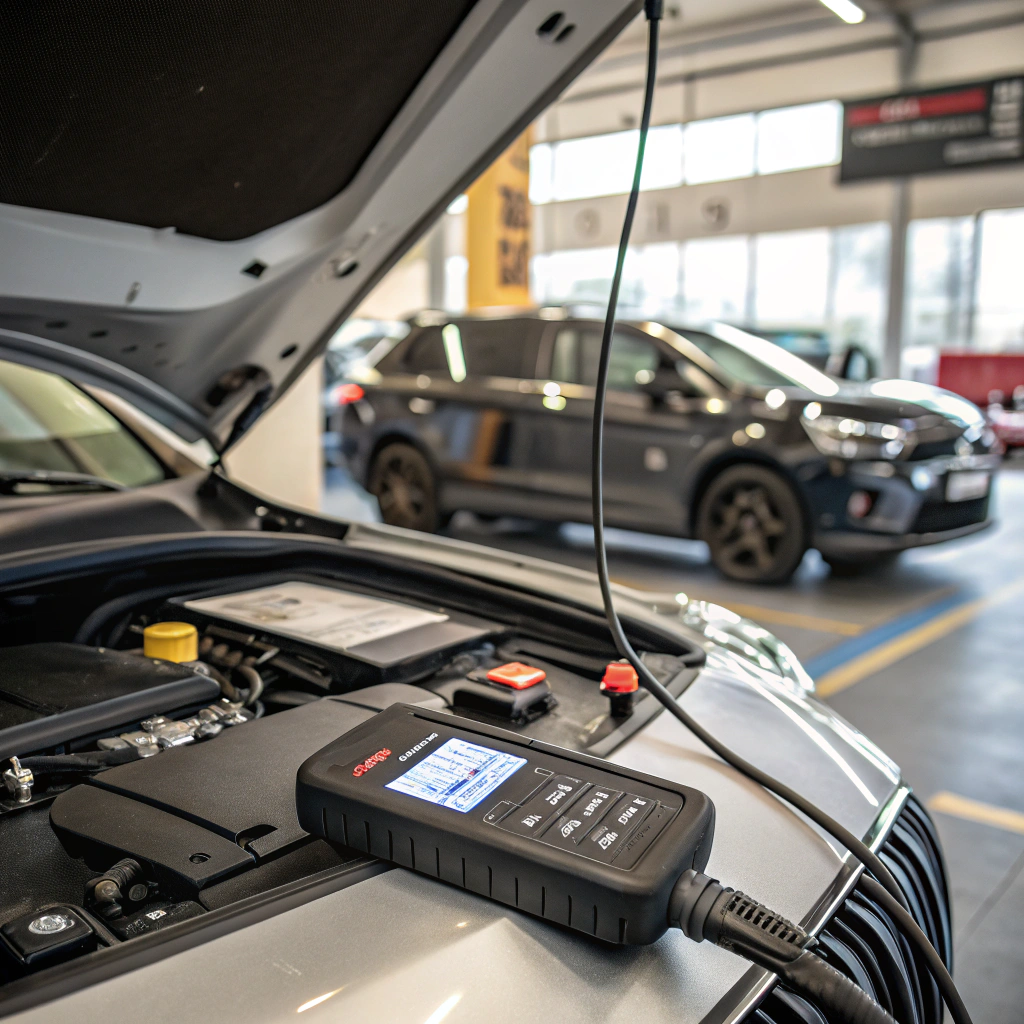
A thorough inspection considers these related components as well as the pads and rotors.
Does it happen only when you brake?
This is useful information to share when scheduling service.
Notice whether the vibration:
- Starts only when you press the brake pedal.
- Also occurs while cruising without braking.
- Is strongest when slowing from higher speeds.
- Comes through the steering wheel, brake pedal, seat, or several places.
- Began after recent brake or tire work.
Vibration that occurs without braking may involve tires, wheels, or other components. Where and when you feel it helps narrow the inspection, but it isn’t enough to diagnose the vehicle remotely.
There’s no need to recreate the shaking deliberately. Simply describe what you’ve noticed during normal driving.
Is it safe to keep driving?
A new or recurring vibration deserves prompt attention, even if the vehicle still seems to stop normally. The amount of shaking alone cannot tell you whether the vehicle is safe.
If the shaking is severe, the vehicle becomes difficult to control, braking performance decreases, or you notice smoke or a soft or sinking brake pedal, pull over safely and arrange assistance.
If you need a towing company referral, contact Eurasian Service Center.
Will replacing the brake pads fix it?
That depends on the cause. New pads alone may not correct rotor thickness variation, a mounting problem, or worn steering and suspension components.
The appropriate repair should follow an inspection and measurements against the vehicle manufacturer’s specifications. Identifying the underlying issue also helps reduce the chance of the vibration returning.
Brake service in Vienna and Tysons
Eurasian Service Center has served Vienna and Tysons since 1992. Our independent, owner-operated shop provides care for European, Asian, hybrid, and electric vehicles, with ASE master technicians and digital inspections that use photos and videos to explain our findings.
If your steering wheel shakes when braking, let us know when it happens and what you feel. We’ll help you understand the findings and recommended next steps.
Call 703-893-3045 to schedule service, or visit our brake service page.